
Why Late-Winter in Alberta Leaves Your Muscles Aching
And What Actually Helps
If you’ve lived through an Alberta winter, you know how unpredictable the weather can be. One week we’re shovelling heavy snow, the next we’re walking on icy sidewalks, and suddenly it’s warm enough to spend hours outside again.
While the changing weather keeps life interesting, it also puts significant strain on the body. Late winter and early spring are among the most common times people notice tight shoulders, sore backs, headaches, and lingering muscle tension.
As a Certified Massage Therapist, I often see clients during this time of year with physical strain from seasonal activities such as snow shovelling, winter sports, and simply moving differently on slippery surfaces.
The good news is that a few intentional wellness strategies can help your body recover and stay resilient through the seasonal transition.
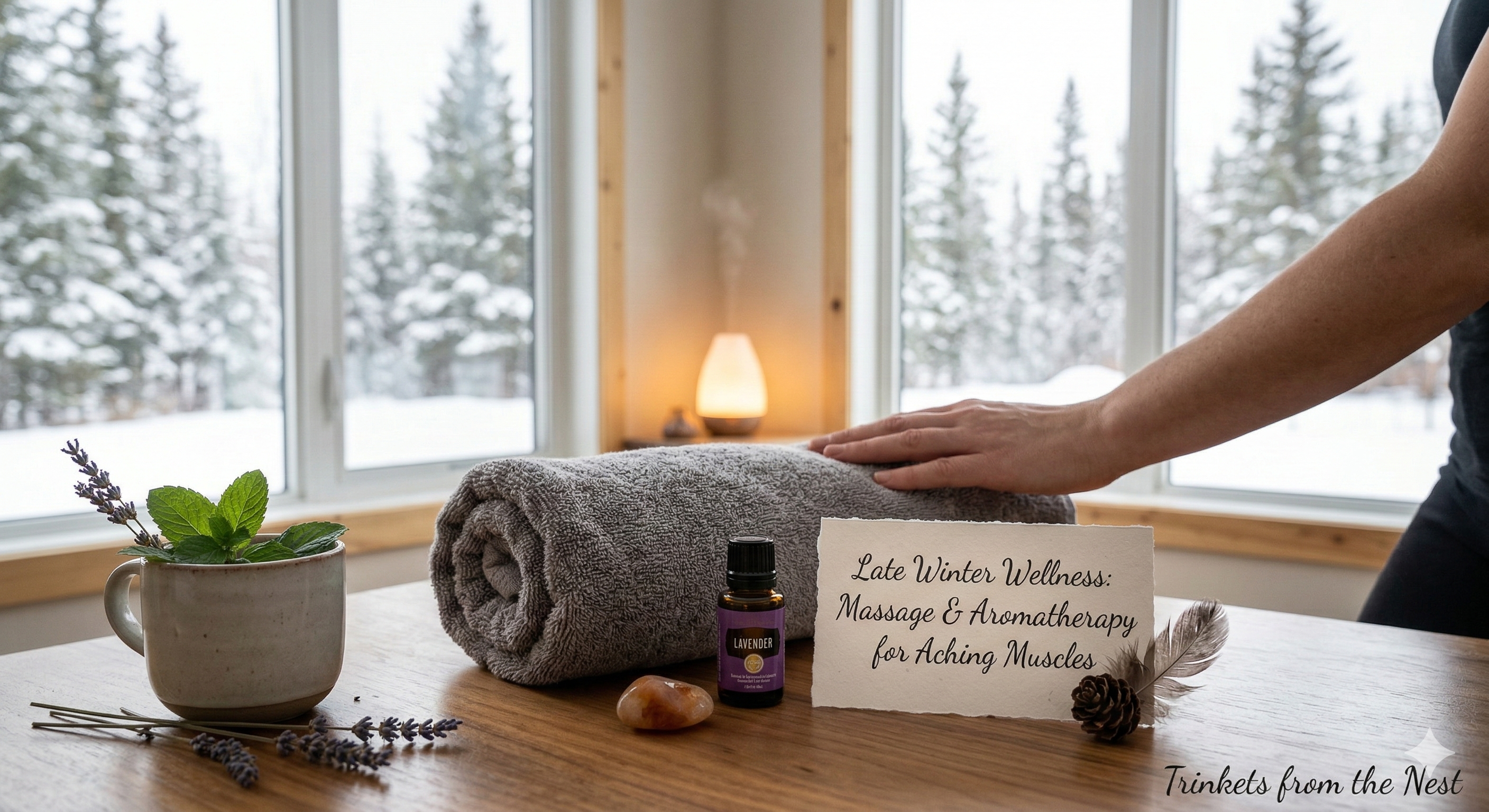
Why Cold Weather Makes Muscles Tight
Cold temperatures can reduce circulation and cause muscles to contract and stiffen. This is one reason many people feel more joint stiffness and muscle tension during the winter months. Massage therapy can help stimulate circulation, delivering oxygen and nutrients to sore areas while reducing inflammation and discomfort.
Deep tissue massage is particularly helpful for this type of seasonal tension because it works on deeper layers of muscle and connective tissue, helping break down adhesions and restore normal movement patterns.
In practical terms, this means targeted massage can help relieve common winter trouble spots such as:
Neck and shoulder tension
Lower back soreness from shovelling snow
Hip and leg stiffness from winter activities
Headaches caused by tight neck muscles
Massage also supports relaxation by triggering neurotransmitters associated with calm and recovery, helping the nervous system shift out of stress mode.
The Headache Connection
Many people are surprised to learn that muscle tension can contribute to headaches.
When the muscles of the neck and shoulders become tight, they can restrict circulation and place pressure on surrounding nerves. Massage therapy helps release this tension, which may reduce the intensity and frequency of tension headaches while improving circulation to the head and neck.
This is why treating the muscles, not just the symptoms, can be an important part of managing recurring headaches.
A Naturopathic Addition: Aromatherapy for Muscle Relief
In holistic wellness practices, massage is often paired with aromatherapy.
Aromatherapy uses plant-derived essential oils to influence the nervous system and support relaxation, mood, and pain management. Research suggests that certain essential oils may help reduce pain perception and muscle tension through neurological and physiological responses.
Some commonly used oils in massage therapy include:
Lavender
Known for its calming properties and potential to reduce stress and support sleep.
Peppermint
Often used for tension headaches because of its cooling effect and ability to increase circulation in the area.
Eucalyptus
Often used for muscle soreness and respiratory support during cold and flu season.
While essential oils are not a replacement for medical care, research shows they may be beneficial as complementary treatments for pain and muscle stiffness when used safely and appropriately.
Small Habits That Help Your Body Through Winter
Alongside massage therapy, a few simple habits can help keep muscles healthy during Alberta’s unpredictable seasons:
• Gentle stretching before outdoor activity
• Staying hydrated (cold weather can mask dehydration)
• Warm baths with magnesium or essential oils
• Regular movement to prevent stiffness
• Booking therapeutic bodywork before tension becomes pain
Preventive care is always easier than recovery.
A Final Thought from the Nest
Our bodies are incredibly adaptable, but they also respond to how we care for them.
Seasonal shifts, stress, and physical strain can accumulate quietly until discomfort becomes unavoidable. Paying attention to those early signals, such as tight shoulders, headaches, fatigue, allows us to support the body before it reaches that point.
Sometimes the most powerful wellness strategies are also the simplest: slowing down, breathing deeply, and allowing the body the care it needs to reset.
Your body works hard for you.
It deserves a little attention in return.